

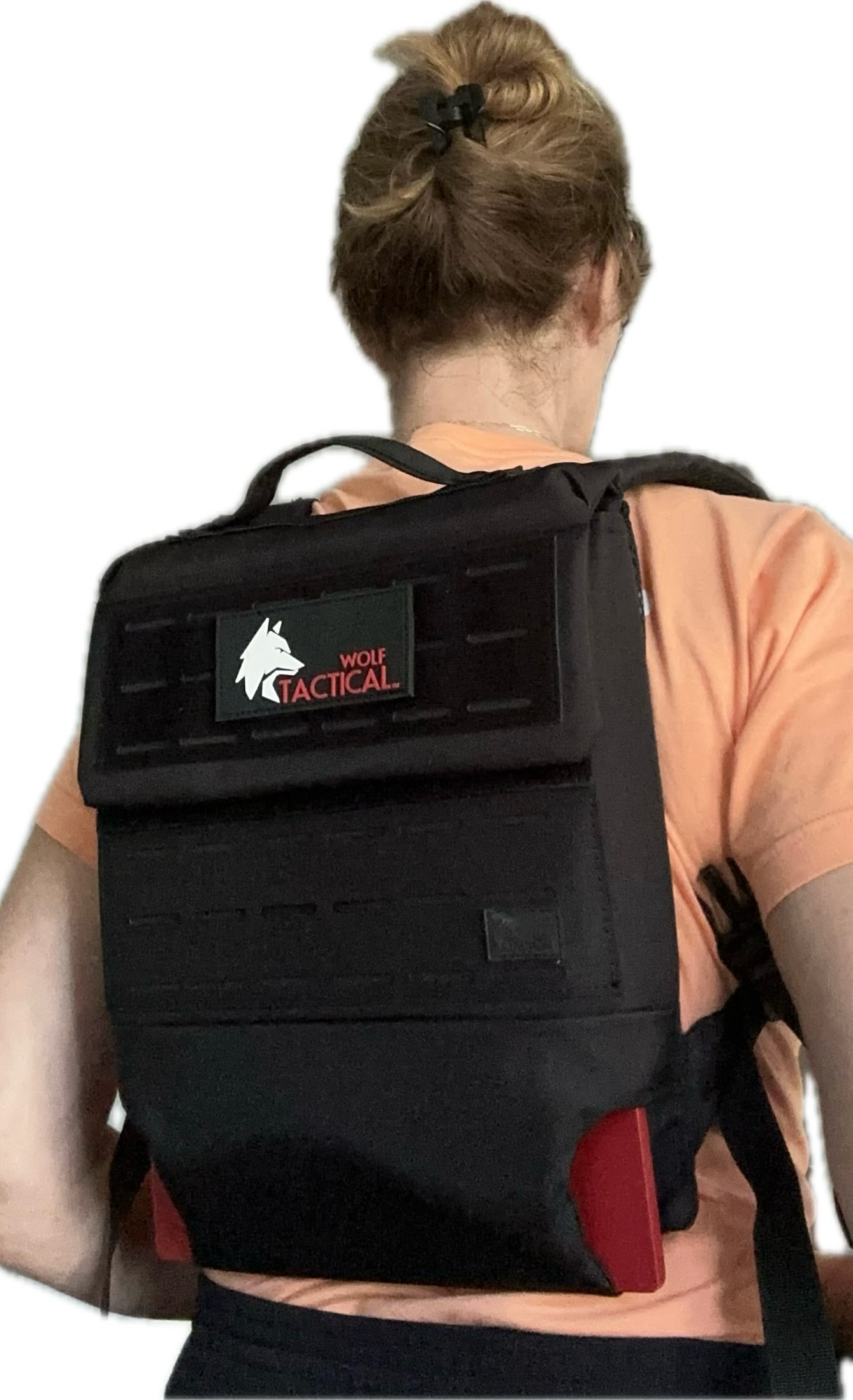
After a trip to the mountains hiking at elevation, it was apparent that I needed to get more out of my walks at home. Increasing my heart rate has always been an important target and even though I can add in some HIIT type of work during my walk it is still harder for me to achieve a good zone 2 type of workout (Zone 2 is where you achieve a heart rate of 60-70% of it’s maximum).
Then I saw something that really piqued my interest …weighted vests and rucking.
There are a few differences between these two but the idea is wearing something similar to a backpack that has weight in it. Of course, I did a deep dive into would this really be beneficial and worth the hype especially in regards to bone loss and cardiovascular health.
READ ON to learn if this is something you should incorporate into your regular walks…
Adding any type of weight to a walk increases the resistance and results in weight bearing exercise. Not only do our bones benefit tremendously with weight bearing exercise but our cardiovascular health does too! There have been actual studies using weighted vests in exercise programs and found to be beneficial in helping to prevent bone loss. One study I found was a five year study using weighted vests in an exercise program vs women who didn’t that showed benefits for bone density. We also know that increasing our heart rate helps improve cardiovascular health and decrease inflammation. This seemed to be a no brainer… if I am going to be walking, I might as well get a boost!
There are two basic terms you will hear: Weighted vests and Rucking.
Weighted vests consist of a vest like backpack apparatus that has pockets for weighted bags usually on the front and back of the vest. Many of these are filled with a special type of sand or similar type of material. You can adjust the weight by adding or removing the bags. When I was researching these the heaviest weighted vest I saw was up to 20 pounds with the majority of them being much less.
Rucking is a term used when carrying a weighted backpack on a walk. The military is well versed in this hence the term “ruck march”.
Ideally you want the weight distribution up at the top of the backpack across your shoulder blades *yes, that high. You can do it yourself with your own backpack by stuffing your bag with towels at the bottom and then place filled water bottles or sand bags up at the top of the bag. The actual rucking bags come with flat plates that are specific weights usually on the back but there are a few with front plates, too. You can increase the weight by adding the weights together or purchasing heavier weights to begin with. Rucking vests can end up with 30-45 pounds.
Here are some tips:
- Start with low weights – you will be surprised how much it adds to your workout.
- Keep the weights up high when rucking and if you use a weighted vest then keep them even on both sides to avoid an abnormal weight distribution.
- Keep your shoulders back and do not lean over when wearing these.
- When purchasing one of these there are several things to consider:
- Where is the pack sitting on your body?
- Where are the front straps on your body? For women, this is especially important.
- What is the weight distribution on the weighted vests (how much in front/back)?
- How is a particular pack for your height?
- Do you want extra pockets for things like phones, etc or just the pack itself.
- Can you change out the weights and go up as you gain strength?
Are there negatives?
- Studies on military ruck walks raise a concern over increased risk of injury especially stress fractures in the feet or lower leg. This is why it is important to build up slowly and not use excessive weight on a regular basis.
- If you have had an injury or surgery, this does increase a load bearing force on your spine, hips and legs so be sure and ask your physician if this would be appropriate for your type of injury.
Let me know if you jump all in and find a bag you love!
To your health,
Laura